1. Safety first
Everyone leaves the area, and 911 is called if anyone is in danger. Crews check air and surroundings before entering.
Countryside, IL · Cook County
A chemical spill in a Countryside garage, shop or rental is not a job for paper towels. Call (877) 812-4220. The team covers containment, absorbent cleanup, decontamination and proper disposal.
If anyone is in danger, call 911 first. For a suicide crisis, call or text 988.
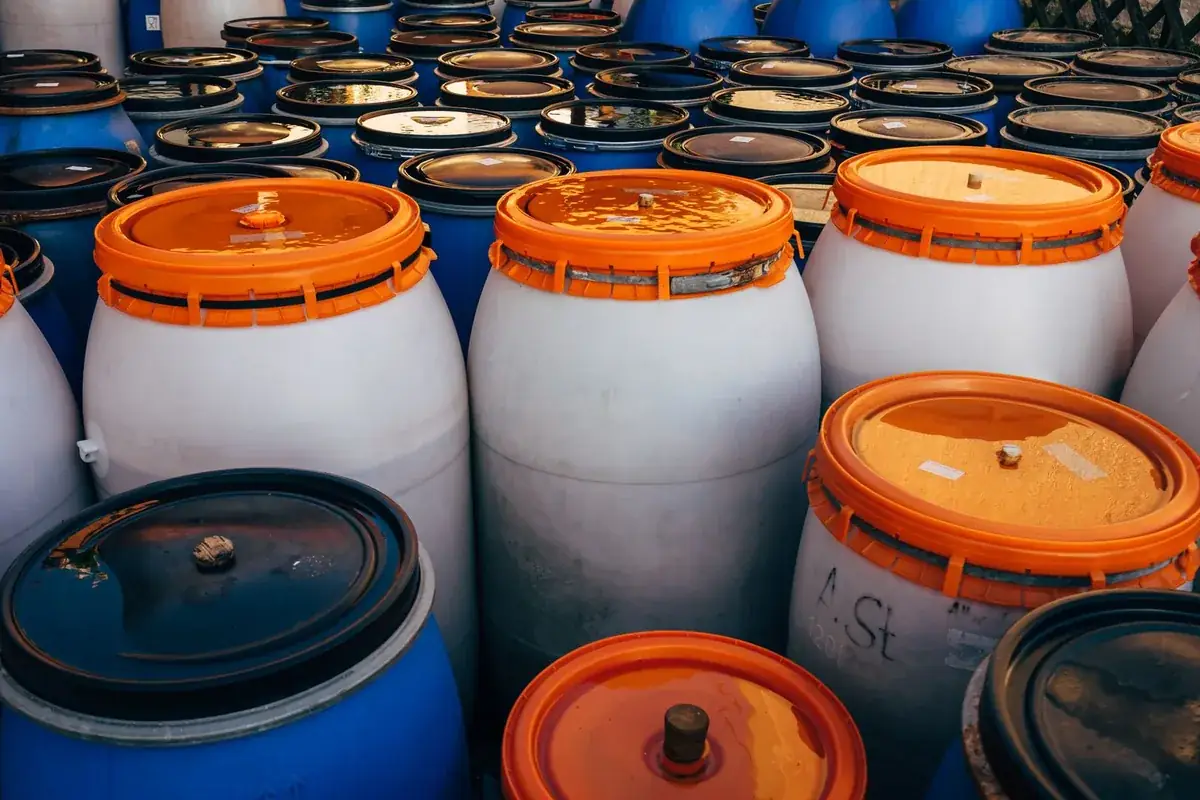
Hazardous material cleanup is the professional response to leaks, spills and abandoned products. It follows a plan that covers safety, containment, removal, cleaning and documentation of the waste.
For toxic waste cleanup in Countryside, get the crew, the protective equipment and the containers in one call to Countryside Biohazard Cleanup Help. You get discretion, clear communication and a site that is safe again.
Wet weather in Countryside, about 41 inches of precipitation a year, speeds the rusting of old drums and the spread of leaked product. Cook County has a Very High river flood risk rating from FEMA, and floodwater can tip over drums and spread chemicals across yards.
What chemical & toxic waste cleanup covers:
Everyone leaves the area, and 911 is called if anyone is in danger. Crews check air and surroundings before entering.
The team arrives in an unmarked vehicle, checks in with the owner and secures the area. Suits go on at the edge of the work zone.
Crews in protective suits remove the product and the contaminated materials. Products are never mixed, and tools used on the spill are cleaned or discarded afterward.
The team packs the waste and takes it away. A final check of the area ends with a plain summary for the owner.
The cost of chemical & toxic waste cleanup in Countryside, IL depends on the amount of material, how it is packed and how it is hauled.
Hauling and packaging count too. Drums, labels, secondary containers and transport are part of lawful waste handling and are priced into the job.
| Type of job | Typical range |
|---|---|
| Hazardous chemicals | $30 - $50 per barrel |
Estimates only, not a quote. Sources: Fixr. Price drivers include type of chemical, amount, packaging and transport, disposal fees. Call (877) 812-4220 to talk through the job.
Some products release toxic gas when combined. Bleach and ammonia are a well-known example. Never mix products to clean a spill, and leave the area if you smell fumes.
Keep people away and call 911 if there is danger. Cleanup teams place barriers and absorbents to stop the spread and remove contaminated soil or materials where needed. Local fire and health officials can say what must be reported.
The terms overlap. Hazmat usually refers to the wider set of hazardous materials, and chemical and toxic waste describes leftover or spilled chemicals. Both call for careful handling. A local team can explain which term fits your situation.
Do not open, move or smell them. Keep people and pets away and take photos from a safe distance. A cleanup team can identify the contents, sort them by hazard and set up lawful disposal.
Common ones are paints, solvents, fuels, pesticides, pool chemicals, cleaning products, batteries and mercury. Crews also remove unlabeled containers once the contents are identified. Ask the team what it can handle for your site.
Yes. Many calls come from managers who find drums, jugs or unlabeled containers in a vacated unit. The lease and local law decide who pays, and the crew can provide photos and records.
Ask how waste is hauled and disposed of before anyone starts work.
Call (877) 812-4220